
Revolver Loading and Unloading
How to Load and Unload a Revolver Safely (Step-by-Step Guide)
Despite modern semi-autos, revolvers are still popular because of their simplicity, reliability, and durability. However, “simple” does not mean “safe without training.” Improper loading and unloading causes more negligent discharges than people realize.
This Revolver Loading and Unloading guide teaches you the correct and safe method to reload and unload a revolver using proven techniques.
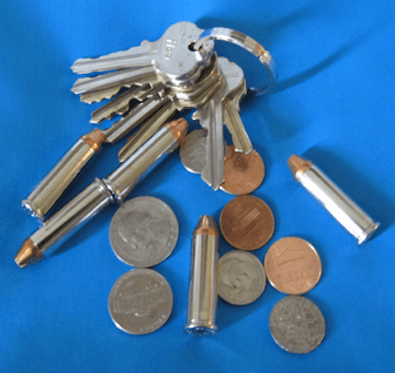
Extra Ammunition Carry Methods for Revolvers
Revolvers have limited ammunition capacity, which makes reload skills mandatory, not optional.
- Loose cartridges: Better than nothing — but slow and difficult under stress.
- Speed strips: Flat, concealable, and more organized than loose rounds. (My Favorite)
- Speed loaders: Fastest reload option for most revolvers.
- Moon clips: Effective but fragile; requires specific revolver design.
Instructor Note:
Speed loaders and strips are the most practical carry systems for most shooters.
Core Safety Rules (Never Skip These)
- Always treat the gun as if it is loaded.
- Always point the muzzle in a safe direction.
- Keep your finger off the trigger.
- Visually AND physically verify an empty gun.
Right-Handed Reloading Procedure
Step-by-Step
- Grip the revolver securely in your right hand.
- Press the cylinder release with your right thumb.
- Push the cylinder open with your left fingers.
- Let the revolver settle into your left palm. Place your thumb over the ejector rod.
- Tilt the gun slightly downward so gravity keeps rounds aligned.
- Insert the speed loader and release the cartridges.
- Transfer the gun back to your right hand.
- Close the cylinder with your left thumb.
Practice reload drills with dummy ammunition only.
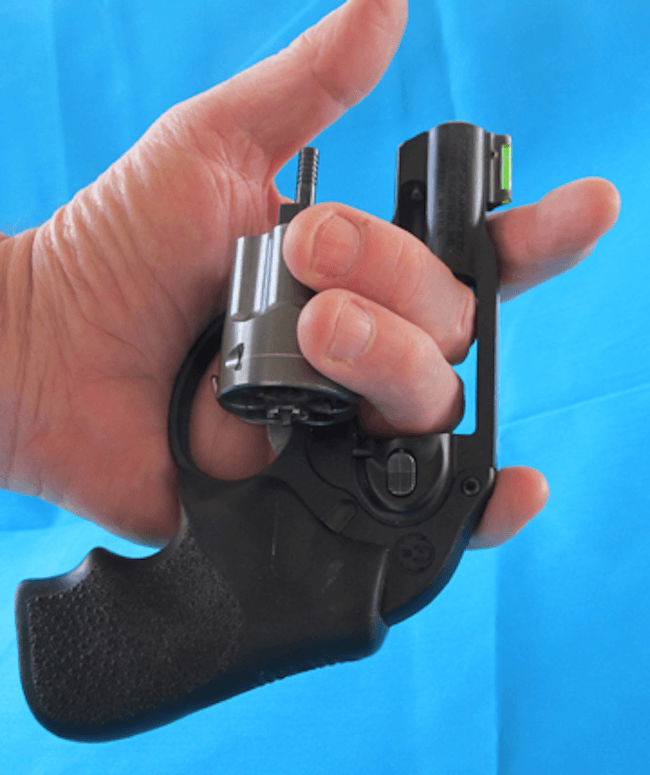
How to Unload a Revolver Safely
- Activate the cylinder release.
- Push the cylinder open.
- Orient the muzzle upward.
- Strike the ejector rod firmly with your thumb.
- Verify visually that all brass is removed.
- Physically feel each chamber.
If a case sticks, remove it manually and inspect the chamber again.
Revolver Loading and Unloading-Emergency vs Tactical Reloading
Emergency Reload
Occurs when the revolver is empty and the threat is still active.
Tactical Reload
Performed during a pause in movement or threat activity.
Instructor Advice:
Reload on YOUR terms whenever possible — not when the gun dictates it.
Final Thoughts
Revolver proficiency is not instinctive — it is built through repetition. Practice reloads and unload procedures until they are subconscious.
Train smart. Train safe.
Professional Training Available
If you’d like live instruction on revolver handling, defensive reload skills, and safety training, explore professional classes designed for real-world use.
Revolvers have started to make a comeback, mostly because revolvers are easy to conceal and in some circumstances that is important. Just as important is learning how to operate them properly and be able to get hits on a target at self-defense distances.
